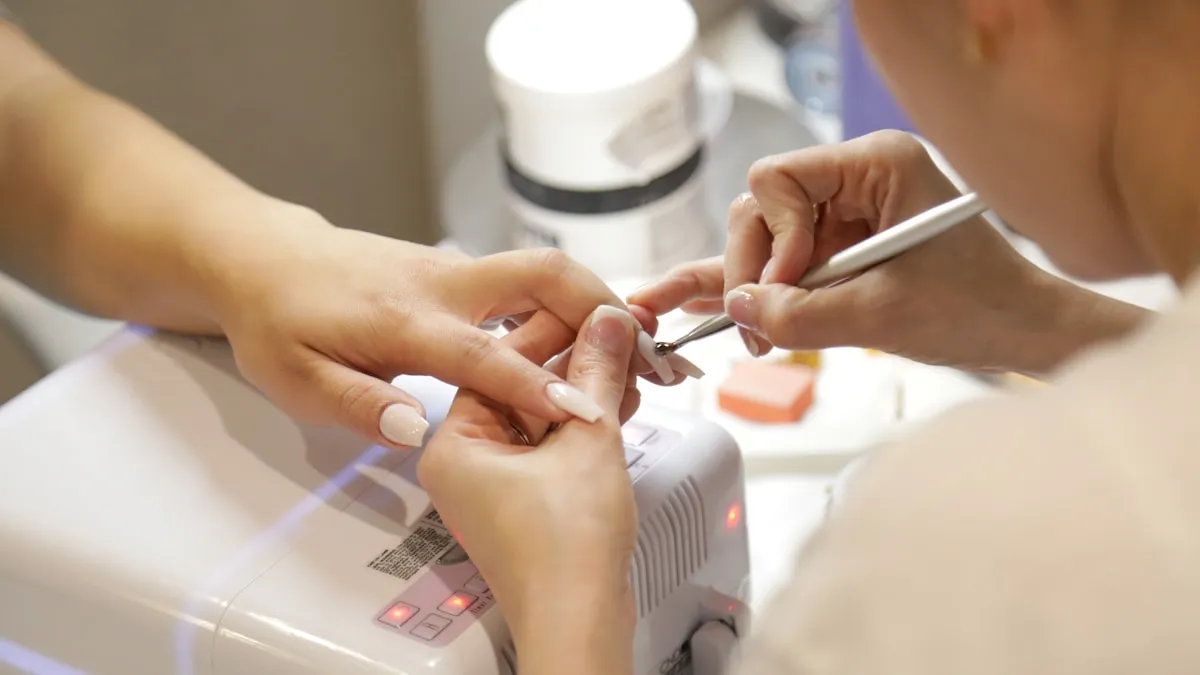
A new client sits down in your chair, asks for a full set of acrylics, and halfway through the service mentions she has a latex allergy. Now you need to stop, switch gloves, reassess your adhesive products, and hope nothing has already caused a reaction. This scenario is entirely preventable with a consultation form completed before any work begins.
Client consultation forms are standard practice in medical offices and tattoo studios, but many nail salons still skip them. That is a missed opportunity for both client safety and business protection.
What to Include on Your Form
A good nail salon consultation form covers five areas. It does not need to be long. One page or a single digital screen is enough.
1. Contact and Personal Information
Start with the basics: full name, phone number, email, date of birth, and an emergency contact.
2. Medical History and Current Medications
This is the most important section. Ask about:
- Diabetes. Slower wound healing and higher infection risk mean pedicure work around cuticles requires extra caution.
- Blood thinners. Medications like warfarin increase bleeding risk from even minor nicks.
- Autoimmune conditions. Lupus or psoriasis can affect the nails and skin, requiring adjusted techniques.
- Pregnancy. Some chemicals are best avoided during pregnancy, and sensitivity may be heightened.
- Circulatory issues. Poor circulation in the hands or feet affects healing and may contraindicate certain services.
Keep the questions in plain language with checkboxes rather than medical terminology. A checklist is faster to complete and less likely to be left blank.
3. Allergies and Sensitivities
This section needs its own dedicated space, not a single line buried under medical history. Ask specifically about:
- Latex allergies (so you can switch to nitrile gloves)
- Methacrylate (MMA/HEMA) sensitivities (common with acrylic and gel products)
- Adhesive reactions (relevant for press-on nails and nail tips)
- Fragrances and essential oils (used in lotions, scrubs, and cuticle oils)
- Metal allergies (nickel sensitivity can be triggered by certain nail tools)
The rate of contact allergies to nail cosmetics has been rising, particularly reactions to acrylates in gel polish systems. Documenting sensitivities before the appointment protects the client and gives you a written record if a dispute arises later.
4. Service Preferences and Nail History
Ask about preferred nail shape, length, and product type (gel, acrylic, dip, natural). Document any previous bad experiences with specific products. If a client’s nails were damaged by MMA acrylic at a previous salon, you want to know that before selecting your product. This section also helps technicians deliver consistent results when picking up a returning client’s file.
5. Consent and Liability Acknowledgment
The final section should include:
- Consent to receive the selected services
- Acknowledgment that the client has disclosed all relevant health information truthfully
- Understanding of potential risks (allergic reactions, nail damage, infection)
- Agreement to your cancellation and refund policies
Have the client sign and date this section. A signed consent form is your first line of defense in any liability situation. Without one, a client claiming she was never asked about allergies becomes a dispute you will likely lose.
Digital vs. Paper Consultation Forms
Both formats work. The right choice depends on your salon’s size, budget, and clientele.
Paper forms are inexpensive to start. Print a stack and hand them to clients with a clipboard at check-in. The downsides: paper gets lost, handwriting can be illegible, and storing physical files means you need a locked cabinet to comply with data protection standards.
Digital forms solve most of these problems. Platforms like GlossGenius, Jotform, or your salon booking software can send intake forms automatically when a client books online. The client fills it out on their phone before arriving, so the information is already in your system when they walk in. Digital records are searchable, take up no physical space, and back up automatically. The trade-off: any platform storing health information should use encryption (256-bit SSL at minimum) and have clear data retention policies.
HIPAA: Does It Apply to Nail Salons?
Strictly speaking, HIPAA applies to covered entities: health care providers, health plans, and health care clearinghouses. A standard nail salon is not a covered entity because you are not billing insurance or providing medical treatment.
That does not mean you can be careless with client health data. A few things to keep in mind:
- State privacy laws may impose requirements for businesses that collect health-related information. California’s CCPA and similar laws have broad definitions of personal information.
- Protecting client data is good business regardless of legal obligations. A data breach or a stack of forms left visible on your front desk erodes trust fast.
Best practices that cost nothing: store paper forms in a locked drawer, limit digital access to authorized staff, and never discuss one client’s health information with another client.
How to Get Clients to Actually Fill Out Forms
A consultation form only helps if people actually fill it out.
- Send it before the appointment. If you use online booking, attach the form to the confirmation email. Most clients will complete it at home rather than in the waiting area.
- Keep it short. One page maximum. If your form takes more than three minutes to complete, clients will rush through it or skip questions.
- Update it for returning clients. A quick “Has anything changed since your last visit?” at check-in takes five seconds.
- Train your team to read it. The form is useless if the technician does not review it before starting the service. Build a 30-second form review into your pre-service routine.
- Use it as a conversation starter. If a client checks “sensitive skin,” ask a follow-up question. That brief exchange surfaces details the form alone would miss.
Start Simple
You do not need a custom-designed form or expensive software to get started. A free template from Jotform or a single-page Word document covering the five sections above will work. The goal is to have something in place before the next new client walks in.
A consultation form takes two minutes of your client’s time and can save you from allergic reactions, liability disputes, and the awkward mid-service discovery that changes everything. It is one of the lowest-effort, highest-return systems you can add to your salon operations.
Consultation forms pair perfectly with a no-show and cancellation policy and a reliable online booking system that sends forms automatically before appointments.