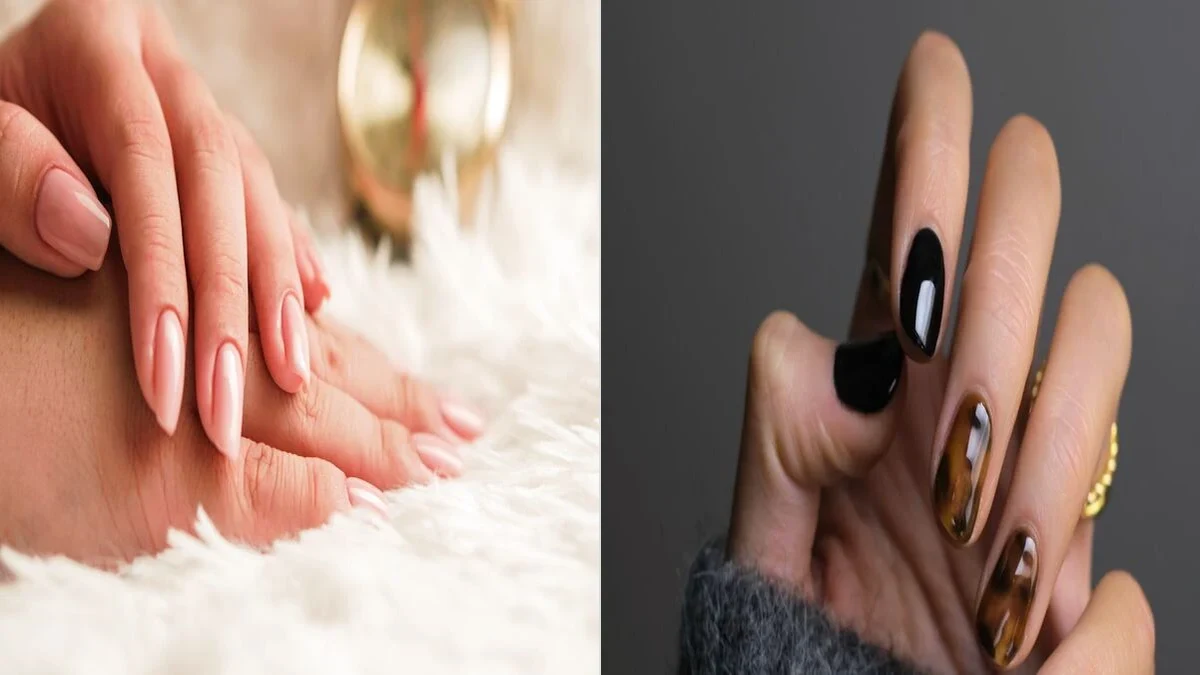
Nails take a beating in every season, but the type of damage shifts dramatically between summer and winter. A healthy nail plate contains between 15% and 25% water, and that moisture level fluctuates with temperature, humidity, and daily habits (PMC - Nail Microstructure Review). Understanding what each season does to nail structure helps you adjust your services and give clients advice that actually works.
How Weather Affects Nail Growth and Health
Nail growth is not constant throughout the year. Fingernails grow an average of 3.5 mm per month, but that rate increases by roughly 25% in summer due to increased blood flow from vasodilation in warmer temperatures. More blood reaching the nail matrix means more oxygen and nutrients fueling keratin production.
In winter, the opposite happens. Cold triggers vasoconstriction, reducing blood supply to the extremities. Slower nutrient delivery means slower growth and a nail plate that forms under less-than-ideal conditions. If you have ever noticed that a client’s nails seem thinner or more ridged in January than in July, this is the biological reason.
Humidity matters just as much. Nails are porous, absorbing and releasing water depending on the surrounding air. Dry winter air pulls moisture out of the nail plate. Humid summer air can over-saturate nails, making them soft and prone to tearing. Both extremes cause problems, just different ones.
Summer Nail Care: Chlorine, UV, and Dehydration
Summer seems like the easier season for nails because of faster growth, but it introduces three specific threats that can undo any good service work.
Chlorine and Saltwater
Nails expand when they absorb water and contract when they dry out. Repeated swimming cycles of expansion and contraction put mechanical stress on the nail plate, weakening its layered keratin structure. Chlorinated pool water makes it worse by stripping natural oils from the nail and surrounding skin, accelerating dehydration once the client is out of the water.
Saltwater has a similar drying effect. Clients who spend weekends at the beach may come back with nails that peel at the free edge or separate in layers.
UV Exposure
UV rays dry out cuticles and the nail plate itself. Prolonged sun exposure can disrupt the cuticle’s role as a protective seal, letting bacteria and fungi reach the nail bed more easily. Clients who use gel polish also face a secondary concern: UV can yellow or degrade certain gel formulas faster when nails are constantly exposed to direct sunlight.
Summer Service Adjustments
Hot weather, air conditioning, and alcohol-based hand sanitizers compound the problem by pulling even more moisture from nails and cuticles throughout the day.
- Apply a protective topcoat or clear base coat for clients who swim regularly. It will not block all water absorption, but it slows the expansion-contraction cycle.
- Recommend SPF hand cream as part of aftercare. Most clients protect their faces and arms but ignore their hands entirely.
- Push cuticle oil hard. Daily application after swimming or extended sun exposure is the single most effective thing a client can do between appointments.
- Shorten service intervals slightly. Faster nail growth in summer means clients may need fills or reshaping sooner than their usual schedule.
Winter Nail Care: Brittleness, Peeling, and Cracking
Winter damage is less visible at first but more structurally damaging over time. The combination of cold outdoor air and heated indoor air creates an environment that strips moisture from nails continuously.
Dehydration and Brittleness
Indoor heating systems can drop relative humidity below 20%. At those levels, nails lose water faster than they can replenish it. The result is brittle, inflexible nails that crack or snap instead of bending. The natural oils that act as “glue” between keratin layers dry out, causing horizontal peeling at the free edge (NAILS Magazine).
Temperature Cycling
Moving between a heated building at 72 degrees and outdoor air at 25 degrees multiple times a day creates rapid expansion and contraction in the nail plate. This is the same mechanical stress that chlorine causes in summer, just from temperature instead of water absorption. Over weeks, it weakens the nail’s structural integrity.
Handwashing and Harsh Soaps
Cold and flu season means more handwashing. Combined with hot water (which strips oils faster than cool water) and antibacterial soaps, winter handwashing habits can devastate cuticle health. Damaged cuticles let in moisture irregularly, creating weak spots in new nail growth.
Winter Service Adjustments
- Switch to hydrating base coats and treatments. Products with hyaluronic acid, jojoba oil, or vitamin E help compensate for environmental drying.
- Recommend cotton-lined rubber gloves for dishwashing and cleaning. Water exposure combined with cleaning chemicals is one of the fastest routes to winter nail damage.
- Add a paraffin wax treatment or intensive hand mask to your winter service menu. These seal in moisture for hours after the appointment and give clients a reason to book during a slower season.
- File nails when they are slightly damp, not bone dry. Filing dry, brittle nails causes micro-fractures that lead to splitting. Always file from the sides toward the center, never back and forth.
- Suggest a biotin supplement for clients with persistent brittleness. The American Academy of Dermatology recognizes biotin as beneficial for strengthening brittle nails, though results take three to six months of consistent use.
Product Recommendations by Season
Summer Staples
- Cuticle oil with jojoba or sweet almond oil: Fast-absorbing, repairs barrier function after sun and water exposure.
- SPF hand cream (SPF 30+): Protects cuticles and nail bed from UV degradation.
- Quick-dry topcoat: Adds a protective layer for swimmers and reduces chipping from summer activities.
- Nail strengthener with calcium or keratin: Counteracts the softening effect of high humidity and water exposure.
Winter Staples
- Rich hand cream with shea butter and vitamin E: Heavier than summer formulas to counteract low humidity.
- Hydrating base coat: Creates a moisture-retaining layer under polish.
- Paraffin wax or warm oil treatment supplies: High-margin add-on service that addresses the season’s primary issue.
- Nail and cuticle repair serum: Look for formulas with panthenol and ceramides to rebuild damaged cuticle barriers.
How to Educate Clients on Seasonal Nail Care
Most clients do not think about their nails in seasonal terms. They notice the symptoms (peeling, brittleness, dullness) without connecting them to the weather. A brief explanation during their appointment builds trust and positions you as someone who understands nail health, not just nail aesthetics.
Keep it simple: “Your nails are losing more moisture than usual because of [the pool chlorine / the dry indoor heat]. Here is what we are going to do differently today, and here is what you can do at home between visits.”
That one sentence turns a routine service into a consultative experience. It also opens the door to product recommendations and add-on services that the client now has a reason to say yes to.
Seasonal adjustments are not dramatic overhauls. They are small, targeted changes to products, technique, and client education that prevent the damage each season is trying to cause. The techs who make these shifts consistently are the ones whose clients show up year-round with nails that look like they never left the salon. For a deeper dive into why products behave differently in heat and cold, see our post on understanding nail chemistry. And if seasonal add-ons like paraffin treatments are part of your strategy, our guide on making pedicures more profitable covers pricing them effectively.